
AI quality control replaces manual inspection with computer vision models that detect defects, measure dimensions, and flag anomalies in real time – at speeds no human line can match. This category covers how manufacturers, food producers, and retailers are deploying AI inspection systems in production environments: what accuracy benchmarks look like, which sensor types fit which use cases, when custom models outperform off-the-shelf platforms, and what it actually takes to go from pilot to full-line deployment. Articles draw on Agmis deployments across grain analysis, PPE compliance, seat assembly, and power grid inspection – systems running at 99%+ accuracy with documented cost and throughput outcomes. If you’re evaluating AI quality control for your operation, this is where to start.

Every tablet that leaves a press carries a promise: the right dose, in the right form, every time. A tablet defect breaks that promise. Some defects are cosmetic and only hurt brand perception. Others mean the tablet will not…
Read article →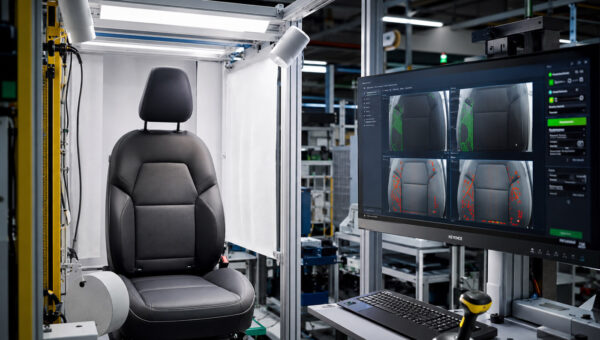
Amazon shut down its AI vision service in 2025. Google consolidated its dedicated manufacturing inspection tool into a broader platform as part of its Vertex AI migration. Two of the biggest technology companies on earth tried to build generic AI quality control tools and quietly walked away…
Read article →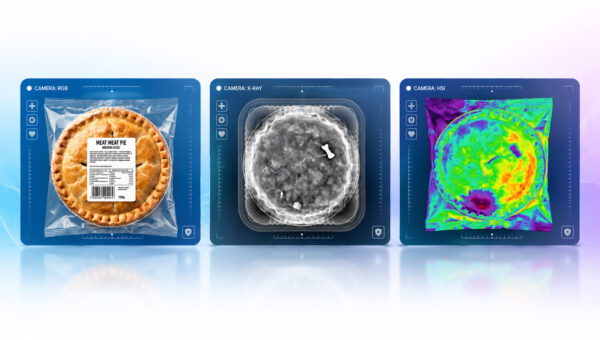
A frozen food manufacturer has a contamination problem. Plastic fragments are ending up in finished products. They install an RGB camera system with AI defect detection – and it catches nothing. The plastic is clear, the same color as the product, and sometimes even the same texture. The…
Read article →
Your Best Inspector Misses 1 in 7 Defects. Not because they’re careless. Because they’re human. After four hours on a high-speed food production line, even the most experienced quality control specialist starts to fatigue. Their eyes blur. Their attention drifts. Somewhere between unit 847 and unit…
Read article →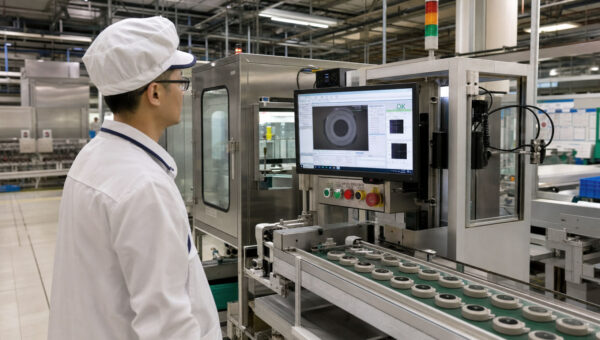
Every AI quality control vendor claims 99% accuracy. The problem is they’re all measuring different things. Some measure accuracy on their test dataset – which they curated. Some measure it in their lab under perfect lighting with clean images. Some don’t even define what “accuracy” means in their…
Read article →
That gap – one minute to 2.2 seconds – is the inspection time difference in a deployment we ran for one of the world’s largest automotive seat manufacturers. 27x faster. 99% detection accuracy. Approximately 30x cost savings compared to manual inspection. Those numbers are also specific…
Read article →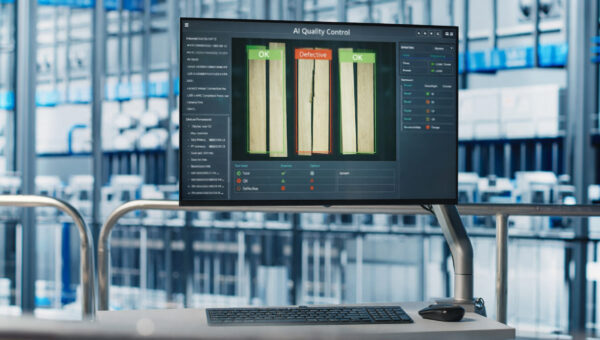
Your best inspector misses defects. Not because they’re careless – because they’re human. After four hours on a production line, even the most experienced quality control specialist starts to fatigue. Their eyes blur. Their attention drifts. And somewhere between unit 847 and unit 848, a defect…
Read article →