Agriculture is one of the oldest industries in the world, yet it is also one of the most dynamic. Farmers have always adapted to new tools, from the plow to tractors, fertilizers, and GPS-guided equipment. Today, the rise of computer vision marks the next major leap in farming technology. By teaching machines to see, recognize, and analyze agricultural data, computer vision is transforming how crops are grown, harvested, and brought to market.
What Is Computer Vision in Agriculture?
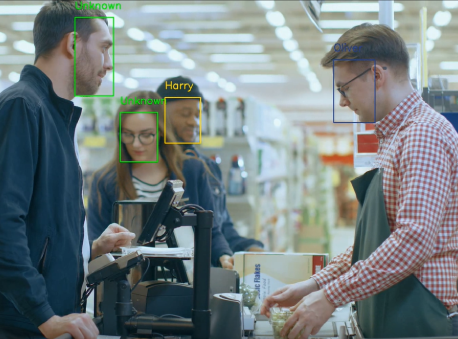
Computer vision is a branch of artificial intelligence that enables machines to process and interpret visual data from the world around them. In agriculture, this means using cameras, sensors, and deep learning algorithms to analyze plants, soil, animals, and harvested produce in real time. Just like a human inspector or farmer uses their eyes to evaluate crops, computer vision systems can now replicate—and in many cases surpass—that ability.
Applications of Computer Vision in Farming
-
Crop Monitoring and Health Assessment
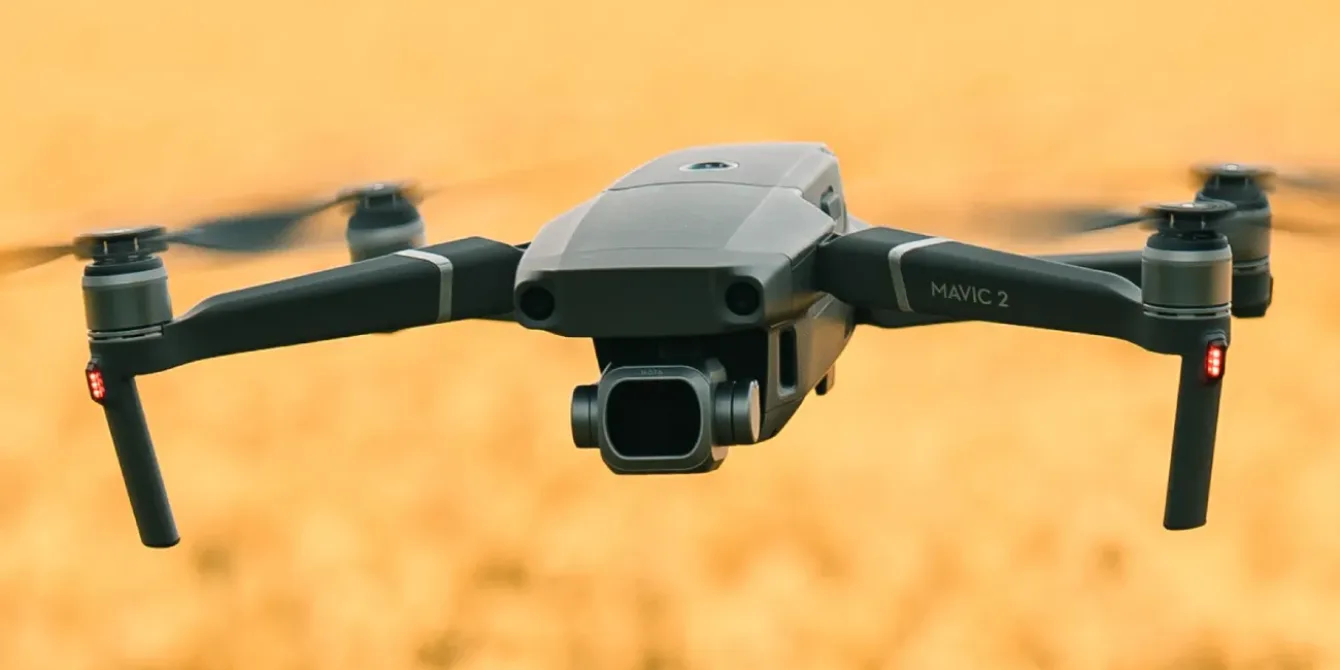
Cameras mounted on drones or tractors capture detailed images of fields. AI algorithms then scan these images to detect signs of stress, disease, or nutrient deficiencies. Farmers can act quickly, applying fertilizers or protective treatments exactly where needed.
-
Weed and Pest Detection
Computer vision can distinguish between crops and unwanted weeds, enabling robots or sprayers to target weeds precisely. Similarly, early signs of pest damage can be detected before infestations spread.
-
Yield Prediction
By analyzing plant growth and canopy coverage, computer vision helps predict yield potential with high accuracy. This information supports better planning and market forecasting.
-
Harvesting Automation
Smart harvesters equipped with cameras identify when fruits and vegetables are ripe and ready for picking. This reduces waste and ensures that produce is harvested at peak quality.
-
Quality Inspection After Harvest
Once crops are collected, computer vision systems are used to evaluate their quality. This step is crucial in global trade, where consistency and fairness determine pricing and trust. For example, in the grain industry, solutions like GrainODM offer AI-powered grain quality inspection. Instead of relying on slow and subjective manual checks, samples can be analyzed in seconds with consistent accuracy, improving efficiency and transparency across the supply chain.
Benefits of Computer Vision in Agriculture
- Speed: Processes that once took hours can now be done in minutes or seconds.
- Accuracy: Machines do not suffer from fatigue or human error, ensuring reliable results.
- Sustainability: By applying resources only where needed, farmers reduce waste and protect the environment.
- Profitability: Higher yields, less waste, and faster processes increase profitability for farmers and cooperatives.
Challenges and Future Outlook
Despite its potential, computer vision in agriculture faces challenges. High implementation costs, limited internet access in rural areas, and the need for farmer training can slow adoption. However, as technology becomes more accessible, these barriers are expected to diminish.
The future of computer vision in farming is bright. Integration with robotics, IoT devices, and machine learning will make farms increasingly autonomous and efficient. From early detection of crop stress to advanced post-harvest quality control, computer vision is shaping a new era of smart farming.
Conclusion
Computer vision is more than a tool—it is a game-changer for modern agriculture. By giving machines the ability to see and interpret the world, farmers gain access to insights and automation that were unimaginable just a generation ago. Whether through crop monitoring, automated harvesting, or innovative solutions like AI-driven grain quality inspection, the technology is setting a new standard for efficiency, sustainability, and trust in the global food chain.
The farms of tomorrow will not only be powered by soil and sunlight but also by data and intelligent vision systems working hand in hand with farmers.