
ESO, Lithuania's national energy distribution operator, needed a faster and more reliable way to inspect hundreds of kilometers of power infrastructure. Agmis built an AI infrastructure inspection system that analyzed 200,000 photos and 700km of LiDAR data - detecting defects, assessing vegetation risk, and delivering consistent accuracy that manual inspection cannot match.
ESO is Lithuania's national energy distribution operator, responsible for managing and maintaining the country's electricity distribution infrastructure. With a focus on reliability, safety, and efficiency, ESO oversees extensive low voltage infrastructure networks that power homes and businesses throughout Lithuania. The company continuously seeks innovative solutions to enhance utility asset management, reduce operational costs, and ensure the safety of both its workforce and the public - making AI infrastructure inspection a natural fit for their operational goals.

Inspecting hundreds of kilometers of power infrastructure manually is slow, inconsistent, and places field teams in hazardous conditions. ESO needed a way to cover more ground, detect defects earlier, and make utility asset management data-driven - without proportionally increasing the risk to inspection personnel.
Traditional manual inspections of power grid infrastructure are time-consuming, labor-intensive, and prone to human error - limiting both coverage frequency and consistency across large networks.
Field inspectors face significant risks when examining high-voltage equipment and hard-to-reach infrastructure in challenging terrain and weather conditions.
Identifying and classifying defects in insulators, crossarms, and pillars requires expert judgment and is difficult to standardize at scale - increasing the risk of missed defects between inspection cycles.
Detecting and measuring hazardous vegetation proximity to power lines is critical for grid reliability and fire risk prevention - but challenging to assess accurately and consistently across large corridors.
Agmis developed a multi-model AI visual inspection platform that processes aerial photography alongside LiDAR data - covering element detection, defect classification, and vegetation risk assessment in a single automated pipeline.
Infrastructure Element Detection: AI models identify and classify all common power grid infrastructure elements - poles, insulators, crossarms, and pillars - across 200,000 photos with 96% average precision. Every asset in the network gets cataloged automatically, with no manual photo review required.
Insulator Defect Detection: Dedicated multi-class models classify insulator condition - intact vs. broken - at 92% accuracy, and crossarm state - intact, tilted, or crooked - at 82% accuracy. This automated defect detection surfaces maintenance priorities directly, without requiring engineers to manually review each flagged image.
LiDAR Power Line Inspection: Advanced processing of 700km of LiDAR point cloud data enables precise calculation of conductor distances, pole tilt angles, sag measurements, and vegetation proximity - delivering spatial accuracy that optical imagery alone cannot provide.
Vegetation Risk Assessment: Combined RGB and LiDAR analysis identifies hazardous vegetation growth near power lines - measuring height, distance, and coverage area to enable proactive trimming schedules and reduce fire and outage risk.
Average precision across all power grid infrastructure elements - insulators, crossarms, pillars, and poles - analyzed from 200,000 inspection photos
96% average precision across 200,000 photos delivers a level of coverage consistency that manual inspection cannot match - no missed assets due to fatigue, lighting variation, or inspector experience gaps.
Automated analysis reduces the need for field teams to access dangerous locations for routine inspection. Teams deploy to confirmed defect locations - not to conduct broad visual surveys of the full network.
Processing 200,000 photos and 700km of LiDAR data automatically replaces a volume of manual review that would require significant labor. Inspection cycles that previously took weeks can be completed faster with higher accuracy.
Early detection of defects and vegetation encroachment enables proactive scheduling - replacing reactive repairs with planned maintenance that prevents failures before they cause outages.
AI models identify poles, insulators, crossarms, and pillars across all 200,000 photos at 96% average precision - providing a reliable, comprehensive asset inventory with minimal false positives or missed components.
The insulator classification model distinguishes intact from broken insulators at 92% accuracy - enabling targeted maintenance prioritization and reducing the risk of undetected faults that could cause outages or safety incidents.
Crossarm condition is classified across three states - intact, tilted, and crooked - at 82% accuracy, giving maintenance teams structured data on structural integrity across the full network rather than spot-check assessments.
LiDAR power line inspection data enables accurate vegetation risk identification across the full 700km corridor - supporting proactive trimming schedules that reduce fire risk, prevent outages, and improve grid reliability.
Agmis has built production-grade computer vision systems for power grid inspection, defect classification, and LiDAR analysis. Let's talk about what's applicable to your infrastructure.
Book a MeetingFor energy distribution operators worldwide, the challenges ESO faced are becoming standard operating reality. AI infrastructure inspection addresses them at scale - delivering lasting value across four dimensions:
The system handles massive datasets - 200,000 photos and 700km of LiDAR data - and scales to accommodate growing infrastructure networks without proportional increases in inspection labor or cost.
Comprehensive, accurate detection data enables strategic maintenance planning and budget allocation based on actual infrastructure condition - not estimates or periodic spot-checks.
Early automated defect detection shifts utility operations from emergency repairs to planned maintenance - reducing unplanned outages, extending asset lifespan, and lowering the cost of reactive callouts.
Proactive identification and resolution of defects and vegetation risks before they cause outages directly improves grid reliability - protecting customer service levels and supporting regulatory compliance.
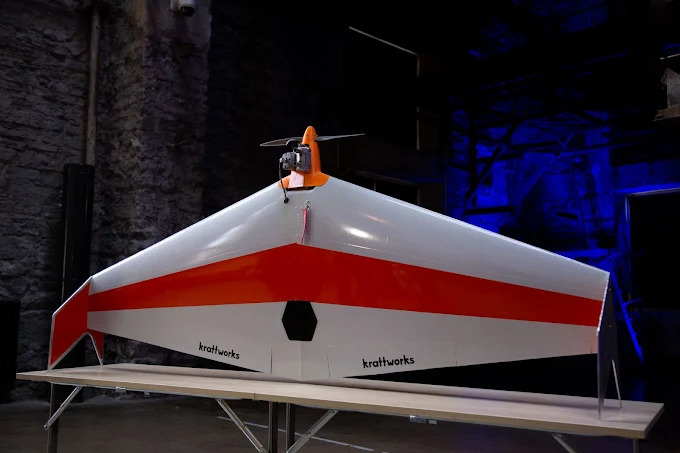 Real-Time Object Detection
Developed onboard machine vision algorithms for KrattWorks, enabling autonomous object detection for aerial surveillance in defense and emergency response.
Read case study →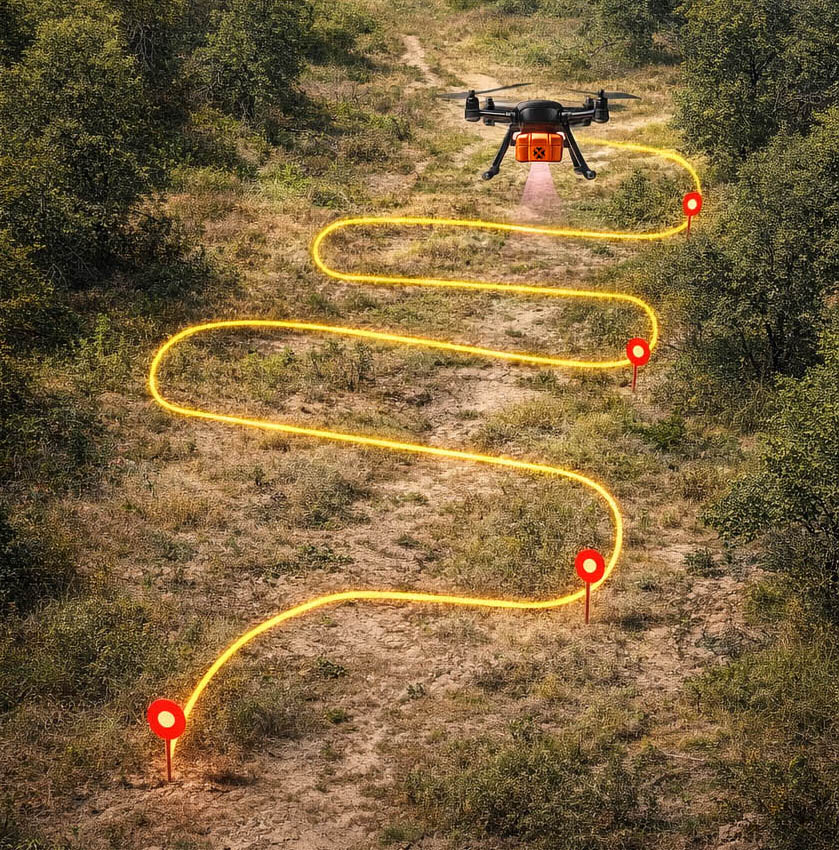 Autonomous Threat Detection
Developed AI object detection algorithms enabling autonomous identification of buried and surface-level explosive threats for Broswarm's drone platform.
Read case study →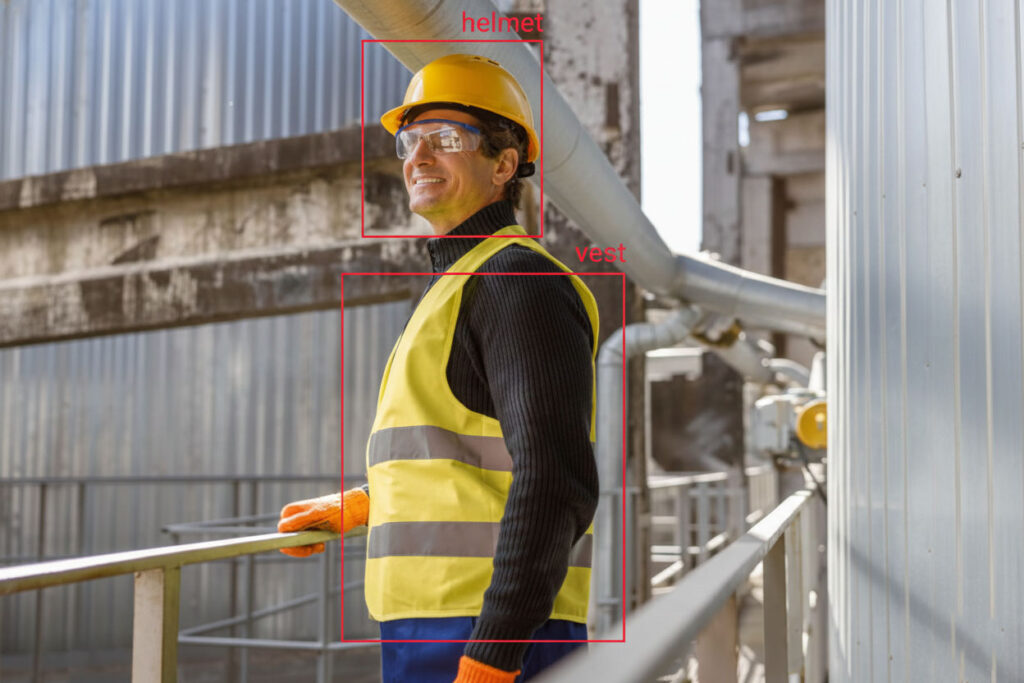 Real-Time Safety Monitoring
Deployed computer vision PPE detection for Ignitis Group, monitoring safety compliance across energy facilities in real-time.
Read case study →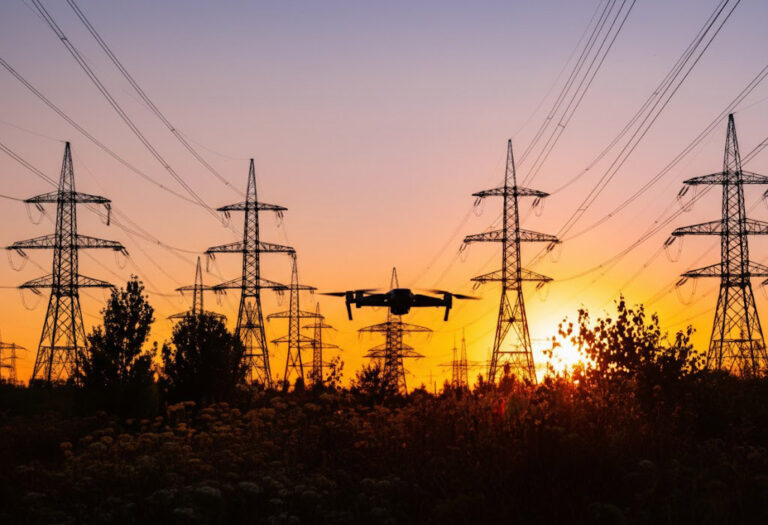
The energy sector is undergoing a quiet revolution. AI-powered UAV power line inspection is replacing decades-old methods, fundamentally…
Read article →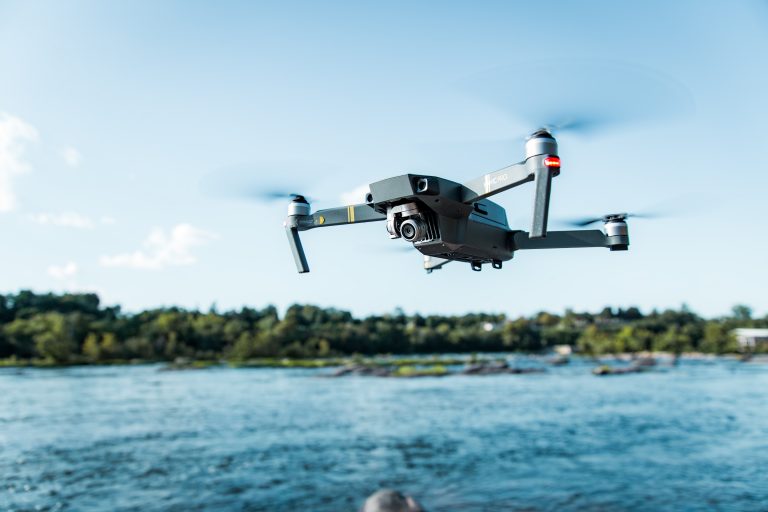
In the midst of the COVID pandemic, retail changed in a fortnight. Extra safety precautions, panic buying, fights…
Read article →
In the midst of the COVID pandemic, retail changed in a fortnight. Extra safety precautions, panic buying, fights…
Read article →