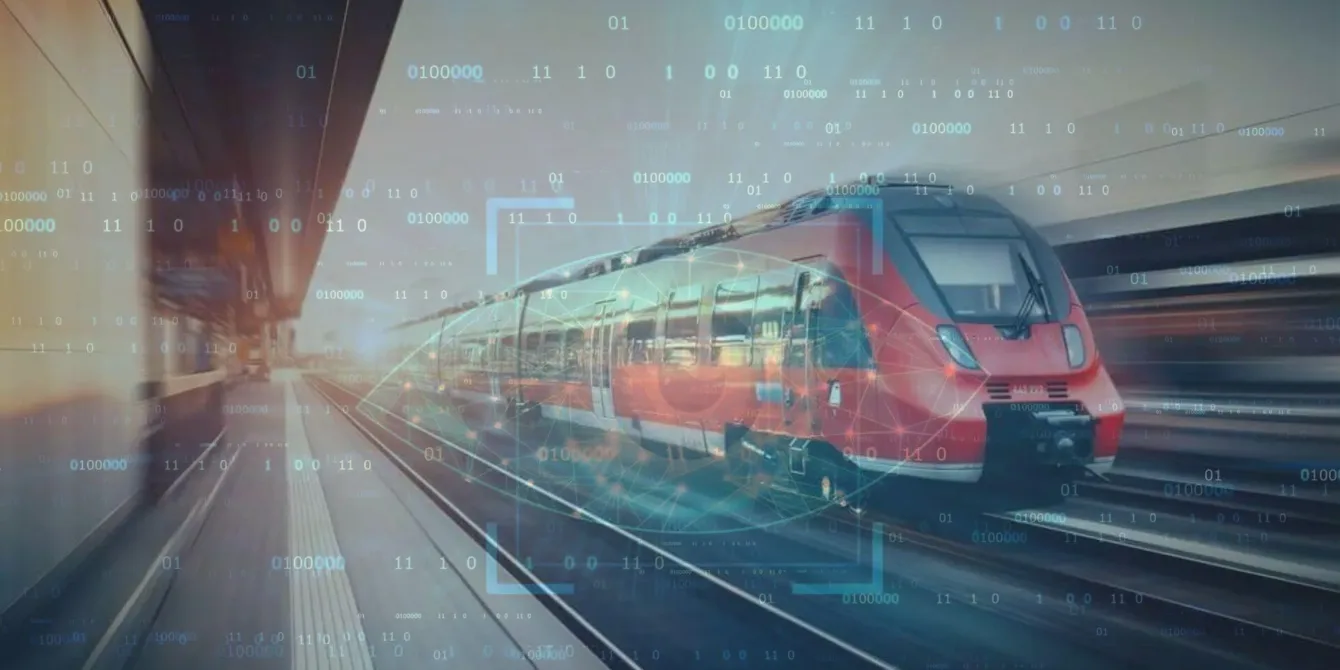
Agmis has introduced a computer vision-based software solution for measuring passenger flows in public transport. The company conducted a pilot project on ten local trains using information from existing video surveillance cameras, in cooperation with the Mobility Innovation Center, whose stakeholders are AB Lietuvos Geležinkeliai (Lithuanian Railways).
The computer vision-based software counted passengers entering and exiting the train at each stop, passengers with children, animals, as well as passengers transporting bicycles. By augmenting real-time passenger flow information with ticket sales data, the solution can help to reduce the number of passengers traveling without a ticket.
Why This Pilot Matters for Public Transport
Public transport operators have long struggled with a visibility gap. They know how many tickets they sell, but understanding actual ridership patterns – who boards where, when carriages reach capacity, how many passengers slip through without valid tickets – has traditionally required manual counts or passenger surveys. Both methods are expensive, inconsistent, and impossible to scale.
The Agmis pilot set out to test whether computer vision could close this gap using infrastructure that trains already have: security cameras.
How the Technology Works
The computer vision software interfaces directly with existing CCTV systems installed in train carriages. As passengers board and exit, the system processes video footage in real-time, using deep learning models to identify and categorize each person.
The technology goes beyond simple headcounts. The software distinguishes passengers carrying bicycles or bulky items, those traveling with children, and even those accompanied by animals. Entry and exit times are logged at each stop, building a comprehensive picture of passenger movement throughout each journey.
This granular data creates opportunities that basic counting cannot. When passenger flow information is cross-referenced with ticket sales records, operators can identify patterns in fare evasion and pinpoint when and where it occurs most frequently.
Results from the Trial
The pilot delivered several findings that caught stakeholders’ attention.
Counting accuracy exceeded 95% across diverse conditions – different times of day, varying passenger volumes, and multiple routes. This level of precision validates that computer vision can reliably replace manual counting methods.
Fare evasion patterns emerged clearly. By comparing actual passenger counts against ticket sales data, the system identified significant discrepancies, particularly during peak travel times. For operators losing revenue to unticketed passengers, this visibility alone represents substantial value.
Operational insights surfaced. Beyond compliance, the data revealed opportunities for Lietuvos Geležinkeliai to optimize passenger distribution and adjust train scheduling based on actual demand rather than assumptions.
Scalability Across Mass Transit
One advantage of building on existing camera infrastructure is that deployment doesn’t require significant hardware investment. The trains already had CCTV systems installed – Agmis simply added the intelligence layer that transforms passive surveillance footage into actionable operational data.
This approach makes the technology applicable beyond rail. Buses, trams, metro systems, and other mass transit environments with existing video surveillance could adopt similar computer vision solutions without major capital expenditure.
For public transport operators evaluating the technology, the pilot demonstrates that computer vision has matured enough to handle real-world conditions – variable lighting, crowded carriages, passengers carrying items – with reliability sufficient for operational decision-making.
What Comes Next
The successful pilot opens the door to broader implementation across public transport networks. Proven accuracy and clear operational benefits position computer vision-based passenger monitoring as a standard tool for transit operators. The technology delivers better ridership visibility, improved compliance rates, and smarter scheduling decisions.
For Lithuanian Railways (AB Lietuvos Geležinkeliai) and other operators watching this space, the question has shifted. The focus is no longer on whether the technology works – but how quickly it can scale.
Get a free consultation on software development, process automation, or AI-powered solutions — no commitment required.
Our senior consultants will review your goals, challenges, and opportunities, and outline the most effective next steps for your business.