Customer service is the cornerstone of retail success. Yet even the most well-intentioned service standards often fall apart on the shop floor. Why? Because traditional monitoring relies on subjective observation – and you can’t improve what you can’t measure.
Computer vision retail technology changes this equation entirely. By transforming existing security cameras into intelligent data collection systems, retailers gain objective, quantifiable metrics on everything from staff performance to customer behavior patterns.

“Implementing customer service-centric policies can be particularly challenging because they rely on subjective human factors. For instance, while service standards may require a shop assistant to attend to a customer within a specific timeframe or proactively engage with clients in certain store areas, retailers often lack the tools necessary to effectively monitor and enforce these standards.”
– Mykolas Petrauskas, Head of Products at Agmis
What Is Computer Vision Retail Monitoring?
Computer vision is a branch of artificial intelligence that enables machines to interpret visual data and act on it. In retail environments, this means deploying AI-powered video analytics through existing camera infrastructure to collect real-time data on customer behavior, inventory status, queue lengths, and employee performance.
Unlike traditional CCTV that simply records footage for later review, computer vision retail systems analyze what’s happening as it happens – and surface actionable insights that drive operational decisions.
Computer Vision Retail Metrics That Matter
The most common question from retail executives: what can we actually measure? Here are the key metrics computer vision delivers:
Customer Experience Metrics
- Dwell time analysis – How long customers spend in specific zones or examining particular products
- Service response time – How quickly staff engage with customers who need assistance
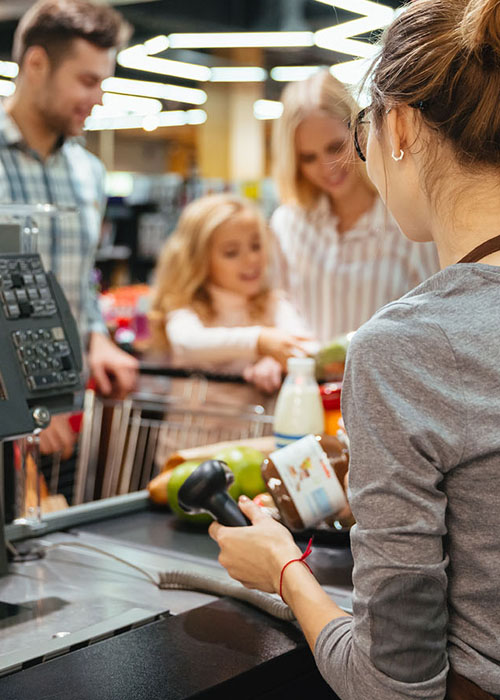
- Queue wait time – Real-time measurement of checkout line duration
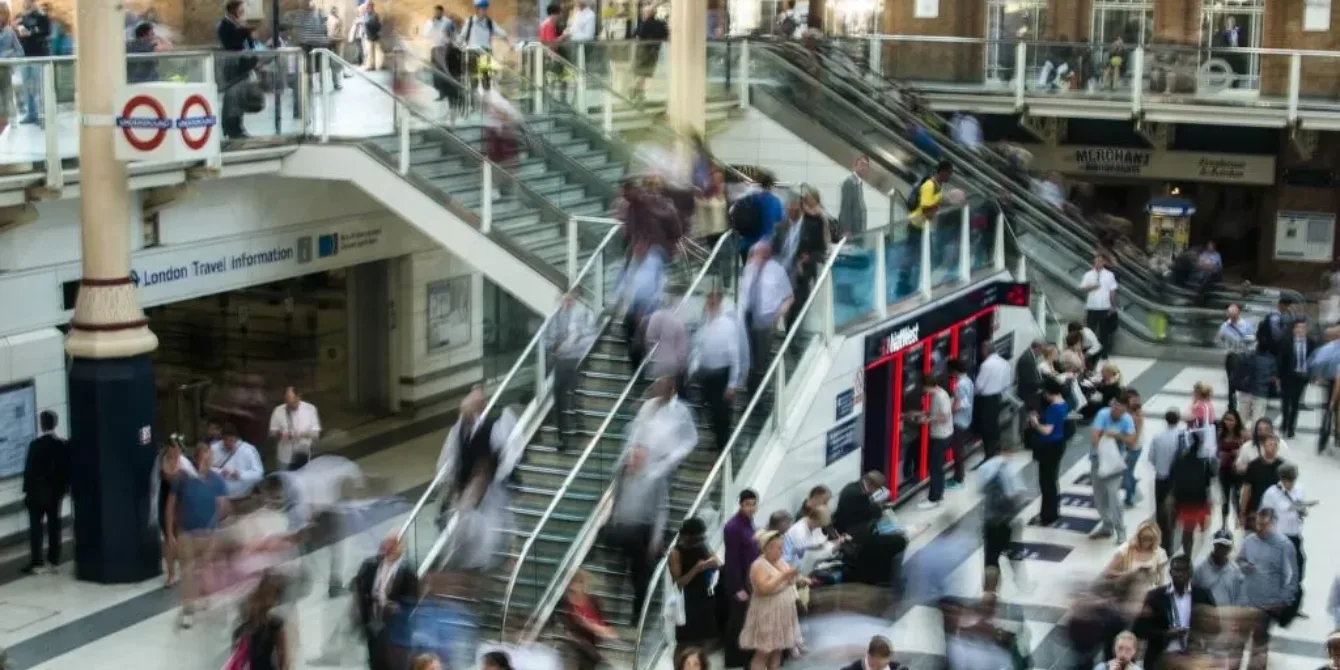
- Customer flow patterns – Heat maps showing how shoppers navigate your space
Operational Efficiency Metrics
- Staff utilization rates – Objective measurement of employee productivity
- Shelf stock levels – Automated detection of out-of-stock or misplaced items
- Peak traffic identification – Data-driven staffing decisions based on actual footfall patterns
- Checkout throughput – Transactions processed per register per hour
Security and Loss Prevention Metrics
- Suspicious behavior detection – AI-flagged incidents requiring security attention
- Shrinkage correlation – Connecting inventory discrepancies with video evidence
- Incident response time – How quickly staff respond to potential theft scenarios
Computer Vision Retail Efficiency: Real-World Results
Theory is one thing. Measurable results are another.
In a two-month pilot program conducted at two locations for one of Central and Eastern Europe’s largest retailers, Agmis deployed AI-powered queue management across 18 manned checkout counters. The stores already had strong operational practices – this wasn’t about fixing broken processes, but optimizing already-good performance.
The results:
- 57.66% reduction in cashier idle time
- 2.5+ man-hours recovered per store per day
- 237 queue incidents prevented during the trial period
- 2.25 hours of customer wait time saved daily
These aren’t projections – they’re documented outcomes from a controlled deployment.
See how Agmis deployed computer vision queue management at one of Central and Eastern Europe's largest retailers, using existing security cameras to predict and prevent queue formation.
How Computer Vision Transforms the Customer Experience
Frictionless Checkout
Computer vision is the core technology behind cashierless store concepts. Automated systems use deep learning and image recognition to track products customers pick up, adding items to a digital basket automatically. No scanning, no waiting, no checkout lines.
While fully autonomous stores aren’t yet viable for large-format retail, the underlying technology already powers smart self-checkout systems that verify scanned items match what customers actually picked up – reducing both honest mistakes and intentional shrinkage.
Personalized In-Store Marketing
By analyzing customer movement patterns and demographic data, computer vision enables hyper-personalized experiences. Digital signage can adjust promotions in real-time based on who’s actually in the store. Product recommendations can be tailored to observed browsing behavior.
E-commerce has offered personalization for years. Computer vision brings that same capability to physical retail.
Get a clear path forward.
Share your challenge and walk away with concrete next steps - whether you're exploring AI, automating a process, or scoping a custom software project.
- Honest assessment of your situation - no sales pitch
- Actionable next steps you can use right away
- AI, automation, and custom software expertise