
Computer vision in Construction: 5 applications to create workplace of the future

Computer vision is transforming how construction projects are planned and monitored. By giving machines the ability to “see” and interpret their surroundings, this technology turns construction sites into smarter, safer, and more productive environments. Real-time safety monitoring and automated quality control help teams make faster decisions and minimize the risk of human error.
Essentially, computer vision converts visual information – from cameras, drones, or IoT devices – into actionable data. This enables companies to measure, analyze, and optimize physical environments with unprecedented accuracy. The results include less rework, fewer accidents, and easier compliance with quality and safety standards.
Below, we explore five key applications of computer vision in construction that are reshaping how modern worksites operate.
Table of Contents
1. Tracking and Managing Equipment
Managing heavy machinery across multiple construction sites can be a major challenge. With computer vision, companies gain real-time visibility into where equipment is, how it’s being used, and when it needs maintenance.
AI-powered video analytics can automatically recognize different types of machinery, track their usage, and detect idle or misplaced assets. When combined with predictive maintenance algorithms, this data helps forecast potential breakdowns and prevent them before they occur.
Automated monitoring ensures optimal equipment use, better maintenance scheduling, and stronger compliance with safety standards. The outcome: higher productivity, longer equipment lifespan, and lower operational costs.
2. Automated Quality Control
Traditionally, quality checks involved manually inspecting the site – a slow process that often missed small errors. With computer vision, cameras can now scan materials and finishes in real time, automatically flagging cracks, misalignments, or surface defects.
These AI-powered systems verify whether work meets design and safety standards and send instant alerts when something’s off.
That means issues are caught early, long before they turn into expensive rework or project delays. Automated quality control helps teams deliver better results with less time wasted on inspections and corrections.
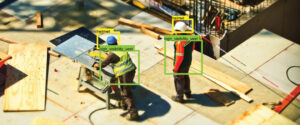
3. Keeping Workers Safe
Worker safety remains one of the top priorities – and challenges – in the construction industry. Computer vision addresses this through automated safety monitoring and PPE inspection. AI models analyze live video feeds to check whether workers are wearing helmets, gloves, vests, and other protective gear. The system can also detect unsafe behavior, unsafe distances from machinery, or unauthorized entry into restricted areas.
When a potential hazard appears, supervisors receive instant alerts so they can respond before an accident happens. This proactive approach builds a stronger safety culture – reducing risks and helping ensure everyone goes home safely at the end of the day.
4. Spotting Structural Defects
Sometimes, the most serious problems are the hardest to detect. Tiny cracks, deformations, or corrosion can go unnoticed until they cause real damage.
Using computer vision and deep learning, construction companies can analyze drone or camera images to identify structural defects invisible to the human eye. These systems can automatically flag anomalies in bridges, tunnels, or buildings and prioritize them for inspection. This early warning capability improves quality, reduces maintenance costs, and extends infrastructure lifespan.
5. 3D Infrastructure Scanning and Progress Tracking
Computer vision goes beyond monitoring – it enables 3D infrastructure scanning and the creation of accurate digital twins. Using data from drones or laser scanners, the system generates precise 3D models that capture every detail of a construction site.
Project managers can easily track progress, identify delays, and allocate resources more effectively. This real-time insight supports better decision-making and smoother project execution.
The Future of Construction with Computer Vision
Integrating computer vision into construction is fundamentally transforming project management. From predictive maintenance to defect detection, these technologies are helping construction companies work smarter, safer, and more sustainably.
Leading firms are already leveraging these innovations. As AI capabilities continue to evolve, the impact of computer vision on the construction sector will only grow – making job sites more connected, efficient, and optimized.
How We Can Turn Vision into Reality
At Agmis, we help construction and industrial companies bring these innovations to life. We develop computer vision solutions for real-time monitoring, automated inspections, and enhanced safety. By combining AI, machine learning, and data analytics, we help optimize worksites.
All our solutions are designed for secure, scalable deployment in accordance with ISO 27001-certified practices.
If you’re ready to explore how computer vision can modernize your construction processes – from pilot projects to full-scale implementation – our experts are here to guide you every step of the way.