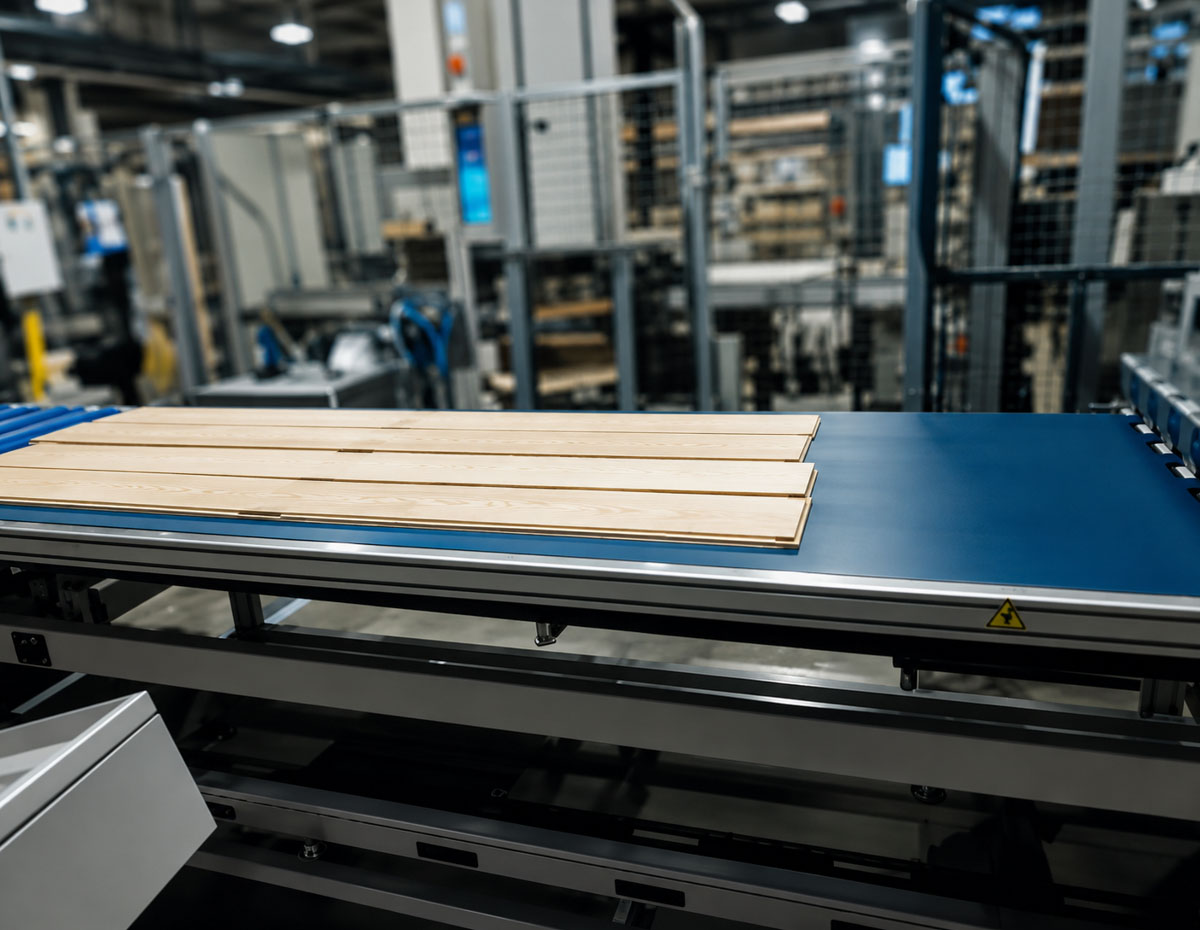
Europe's second-largest hardwood flooring manufacturer - a leader in the premium segment - faced a quality control problem that manual inspection could not solve at scale. Agmis deployed an automated visual inspection system that runs computer vision directly on the production line, detecting surface defects, color variations, knots, and cracks in real time without slowing output.
The client is the second-largest hardwood flooring company in Europe and the recognized leader in the premium segment. Known for delivering exceptional craftsmanship and consistent product quality, they operate at a scale where even small inconsistencies in flooring quality control create significant downstream consequences - from customer returns to reputational risk in a market where premium positioning demands zero tolerance for defects.
Their existing inspection process relied on manual review of solid wood lamellas moving through a high-speed production line. At production volumes typical for a manufacturer of this size, the gap between what human inspectors could reliably catch and what AI quality control could deliver had become impossible to ignore.
At high production volumes, manual flooring quality control creates a structural conflict: slow down the line to inspect thoroughly, or maintain output speed and accept inconsistency. Neither option is viable for a manufacturer whose premium market position depends on every lamella meeting a defined quality standard.
Manual inspectors cannot maintain the same detection accuracy at line speed as they can at a slower pace. At high throughput, the pressure to keep production moving consistently reduces the time available for each lamella - and defect detection suffers as a result.
Human inspection is inherently variable. The same defect can be graded differently by different inspectors, or by the same inspector at different times of day. For a premium flooring brand, this inconsistency in wood quality control creates unpredictable product outcomes.
Solid wood lamellas present a wide range of potential defects - knots, cracks, splits, surface imperfections, and color variations - each requiring a different type of assessment. Standardizing judgment across this range of defect types at production speed is a problem manual processes cannot reliably solve.
Manual inspection produces no structured data. Defect patterns, reject rates, and quality trends remain invisible - making it impossible to identify upstream production issues early or make evidence-based decisions about process changes.
Agmis designed and deployed an AI quality control system built around the specific requirements of lamella flooring - calibrated to the defect types, material characteristics, and production speeds of solid wood manufacturing.
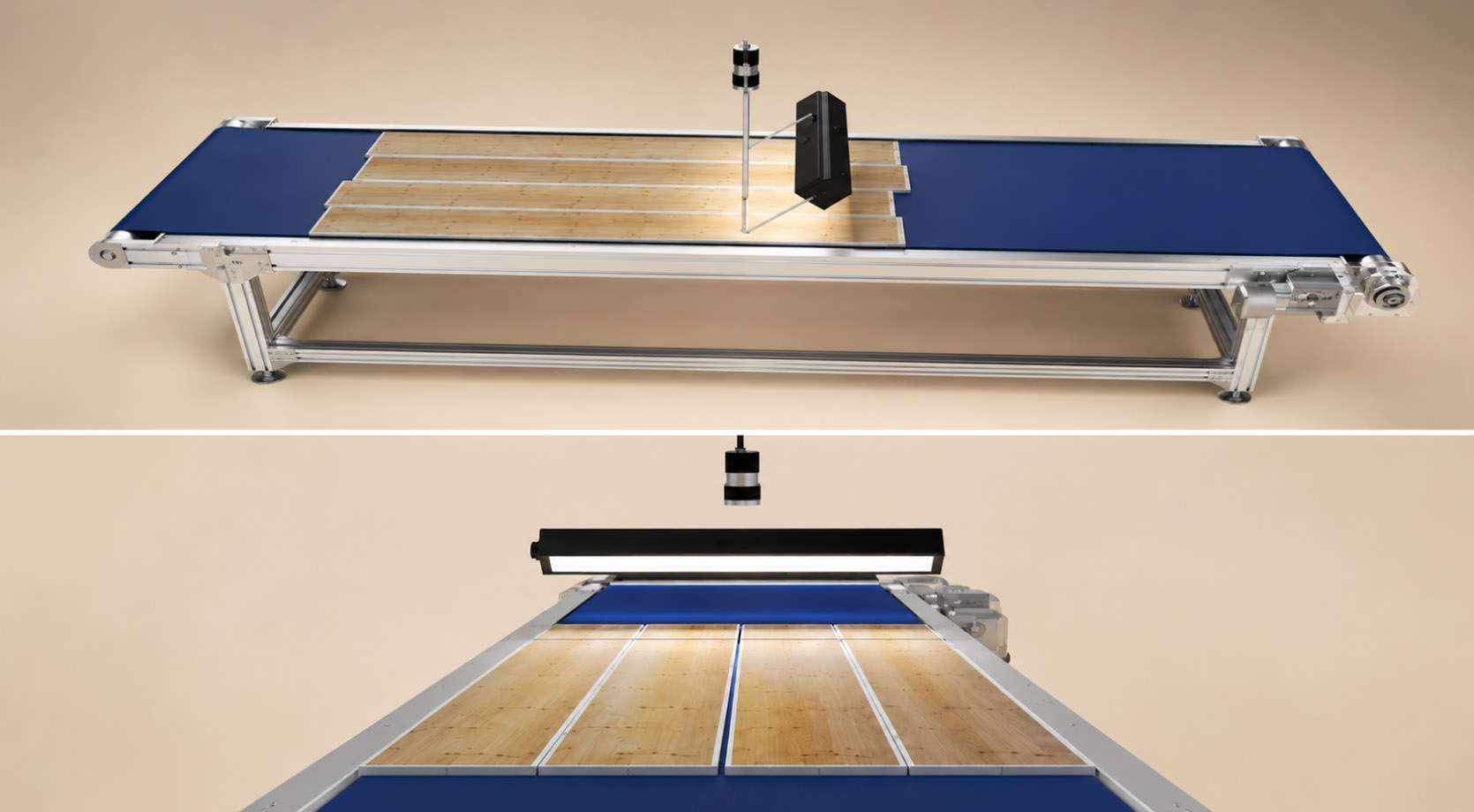
System configuration: camera positioning, local illumination setup, and linear scanner integration on the lamella production line.
Production Line Camera Integration: High-resolution cameras and purpose-designed local illumination are installed at the inspection point on the existing line. Video feeds are captured continuously as lamellas pass through - no modifications to line speed or production flow required.
Real-Time Computer Vision Processing: Machine learning models process each frame as it is captured, analyzing the full surface of every lamella for defects. The AI quality control system runs at production speed - detecting issues that would be missed at manual inspection rates without creating a bottleneck.
Multi-Class Defect Classification: The system classifies defects across five-plus categories - surface imperfections, color variations, knots, cracks, and other wood-specific anomalies. Each defect type is handled by algorithms fine-tuned to the specific visual characteristics of hardwood lamella flooring.
Customized Quality Parameters: The machine learning models are trained and validated against the client's own quality standards - not generic wood defect datasets. This means the system distinguishes between acceptable natural wood characteristics and defects that fall outside the manufacturer's grade specifications.
Structured Inspection Data Output: Every inspection result is logged - defect type, location, frequency, and reject rate over time. This creates the data foundation for ongoing flooring quality control improvement: visible trends, identifiable upstream issues, and evidence for process decisions.

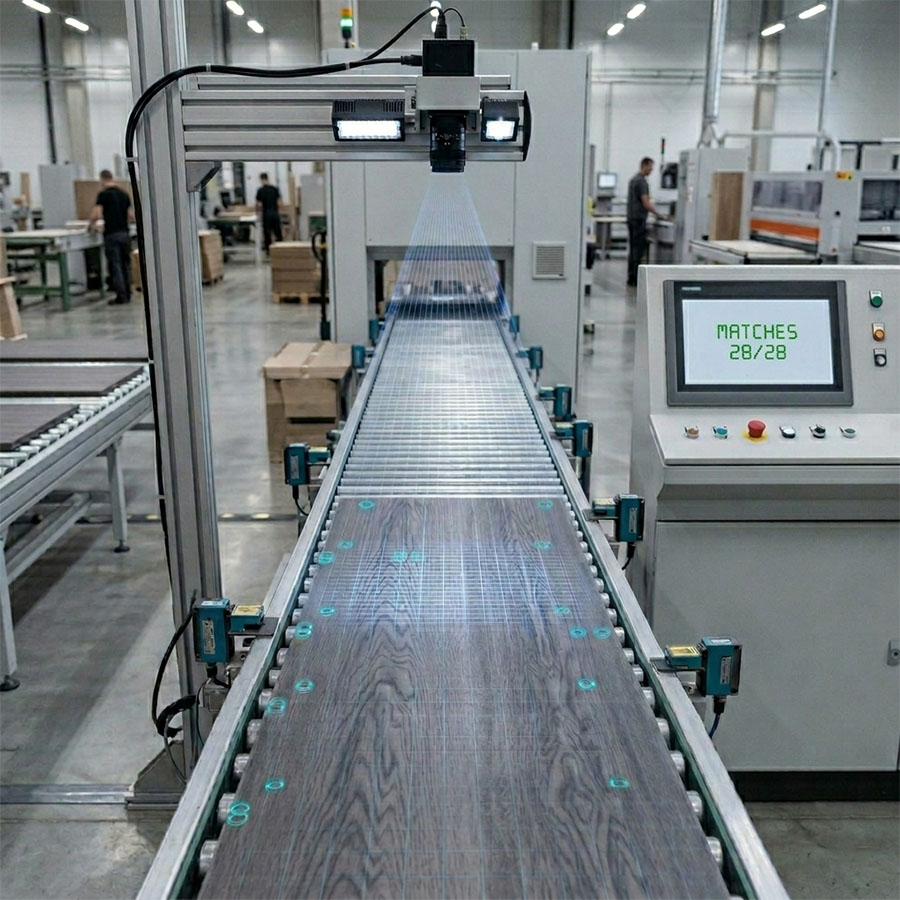
Computer vision scanning a wood lamella surface in real time - identifying and classifying defects as the plank moves through the inspection point.
The AI system applies the same quality standard to every lamella that passes through the line - without fatigue, without variation between shifts, and without the speed-accuracy trade-off that limits manual flooring quality control.
Automating the visual inspection task removes the most repetitive and error-prone element from the production workflow. Inspection staff can focus on exception handling and process oversight rather than continuous visual monitoring of every unit.
Consistent automated defect detection reduces the risk of non-conforming lamellas passing through to finished product - protecting the brand reputation that a premium flooring position depends on.
Structured inspection data enables analysis of defect patterns, reject rate trends, and quality performance over time - giving production managers the visibility to address root causes rather than symptoms of wood quality control problems.
The computer vision models analyze texture, surface finish, and color uniformity across the full lamella surface. Imperfections that are difficult to see consistently under standard lighting conditions - scratches, grain disruptions, tonal inconsistencies - are detected automatically and logged for grading decisions.
Structural defects in solid wood present distinct visual signatures that the AI models have been trained to identify and classify. The system distinguishes between knot sizes and types, detects hairline cracks before they become visible failures, and flags splits that affect structural integrity - providing grade-relevant data on each board.
As quality requirements change - new product grades, updated customer specifications, expanded defect criteria - the AI quality control models can be retrained and redeployed without replacing hardware or rebuilding the inspection setup. This makes the system an asset that evolves with the business rather than becoming obsolete as standards shift.
The automated visual inspection system integrates into the existing production line without requiring line modifications or stoppages beyond initial installation. Camera and lighting components are positioned within the production flow, and the software connects to existing infrastructure - keeping implementation disruption to a minimum.
Agmis builds automated visual inspection systems for manufacturing environments - designed around the specific defect types and quality standards of each production process. Let's discuss what this looks like for your operation.
Book a MeetingDeploying computer vision on a live production line is a different challenge from a lab demo. Agmis brings the engineering experience and manufacturing domain knowledge that makes the difference between a system that works in testing and one that performs at production speed, day in and day out.
Agmis designs AI quality control systems for real manufacturing conditions - variable lighting, dust, vibration, and line speed fluctuations. The system is built to perform reliably in the environment it will actually run in, not optimized for controlled conditions.
Off-the-shelf defect detection models do not know what acceptable looks like for your product grade. Agmis trains inspection models on your materials, your defect definitions, and your quality thresholds - so the system enforces your standards, not generic ones.
Implementation is structured around active production - installation and testing are planned to minimize downtime, and the system is validated in-line before it takes over from manual inspection. Your output does not stop while the AI quality control system is being deployed.
Quality standards change. New product grades, new materials, new customer requirements. The AI models Agmis deploys can be retrained and updated as requirements evolve - making automated flooring quality control a long-term capability rather than a one-time implementation.
 Near-Zero Defect Rate
Developed an automated visual inspection system for furniture manufacturing that scans every board in real-time, detecting defects against CAD specifications.
Read case study →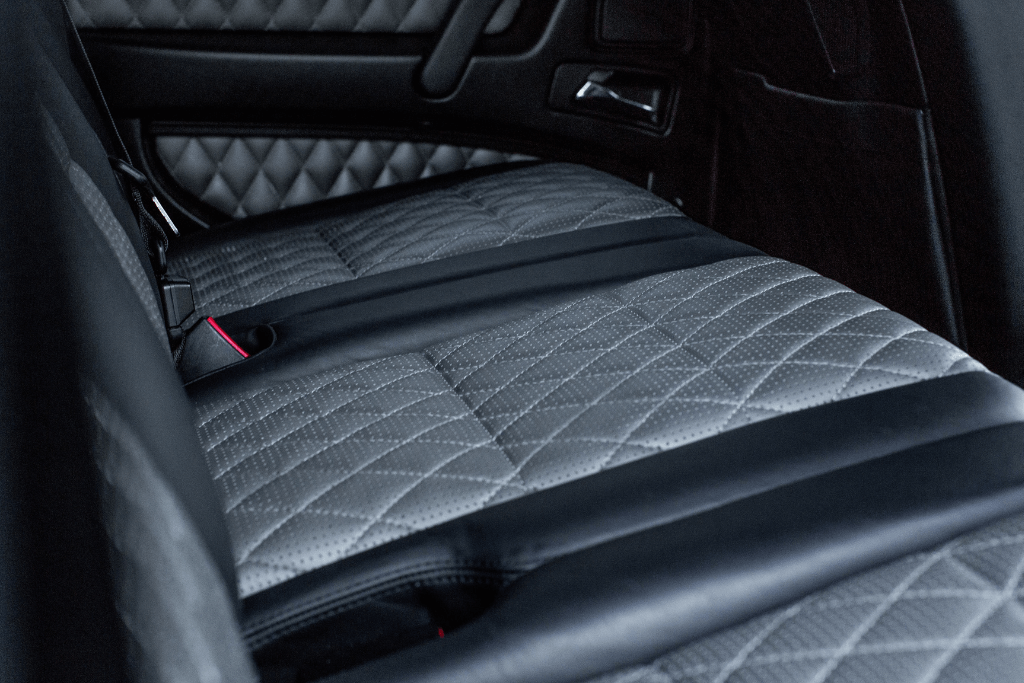 27× Faster Inspection
Deployed an intelligent defect detection system for a global automotive seat producer, achieving 99% accuracy and inspecting each seat in 2.2 seconds.
Read case study → 93-100% Detection Accuracy
Deployed AI-powered PPE detection at one of the Baltic region's largest food manufacturers, achieving 93-100% accuracy across plants and logistics centers.
Read case study →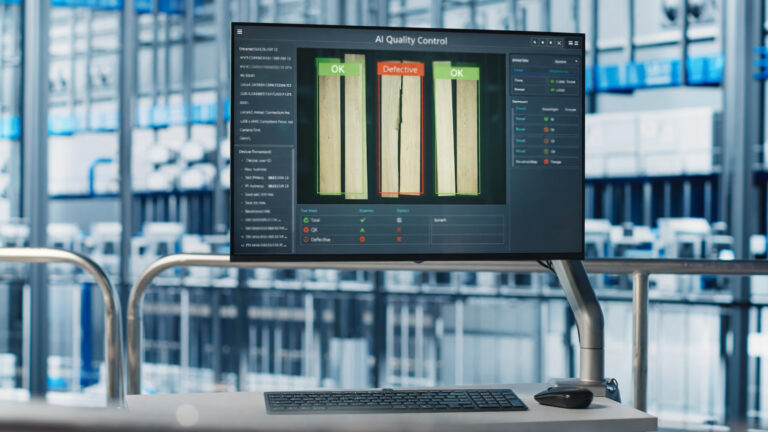
Your best inspector misses defects. Not because they’re careless – because they’re human. After four hours on a…
Read article →
That gap – one minute to 2.2 seconds – is the inspection time difference in a deployment we…
Read article →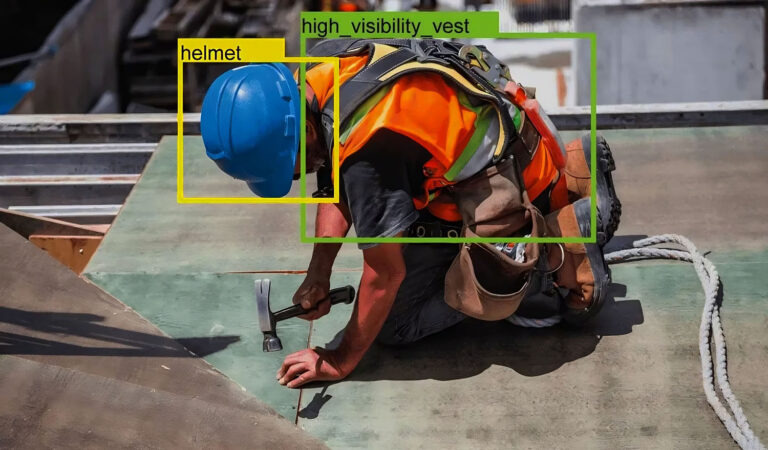
In modern enterprise – from factories to retail – cameras are the new eyes. Yet for many organizations,…
Read article →