
How Agmis partnered with Europe's leading orthopedic implant manufacturer to build an AI-powered pre-surgical planning solution - reducing 3D model reconstruction time from hours to seconds while improving precision.
Ortho Baltic stands as one of Europe's largest orthopedic device manufacturers, with a focus on patient-specific implants that require precision at every step.
Their traditional workflow relied on qualified engineers manually reconstructing personalized 3D anatomical models from Computer Tomography (CT) images - a process that demanded extensive time, specialized expertise, and meticulous attention to detail.
The company sought to change that. They partnered with Agmis to develop an automated, data-driven approach to implant production that could match or exceed human precision while dramatically reducing processing time.

CT images used for implant development frequently contain significant noise from metal artifacts. This contamination makes identifying anatomical landmarks and clinical reference points difficult and time-consuming.
Cleaning CT images and marking anatomical features required considerable expertise. A skilled specialist spent an average of 3 hours on a single 3D case - a pace that constrained throughput and tied up valuable talent.
Manual reconstruction, no matter how skilled the engineer, carries inherent variability. Human fatigue and the sheer complexity of pathological cases introduced opportunities for error.
Medical Data Preprocessing: Working with real medical data - much of it featuring pathologies - required substantial preprocessing before analysis. Our team's medical domain knowledge proved essential in preparing this complex data for AI-powered pre-surgical planning model training.
AI Model Development: We developed a machine learning model capable of automating 3D model reconstruction, artifact cleansing, and clinical reference point identification. The model was trained to handle the variability inherent in pathological cases.
Dramatic Speed Improvement: The resulting AI model reduced processing time from 3 hours to 45-60 seconds per case - a transformation that fundamentally changed what was possible in pre-surgical planning.
System Integration: The model output integrates directly into Ortho Baltic's "Medical Implants Customization Engine" (MICE) software, enabling seamless preoperative planning for personalized implant production.
Automated anatomical model generation from CT scans in real-time
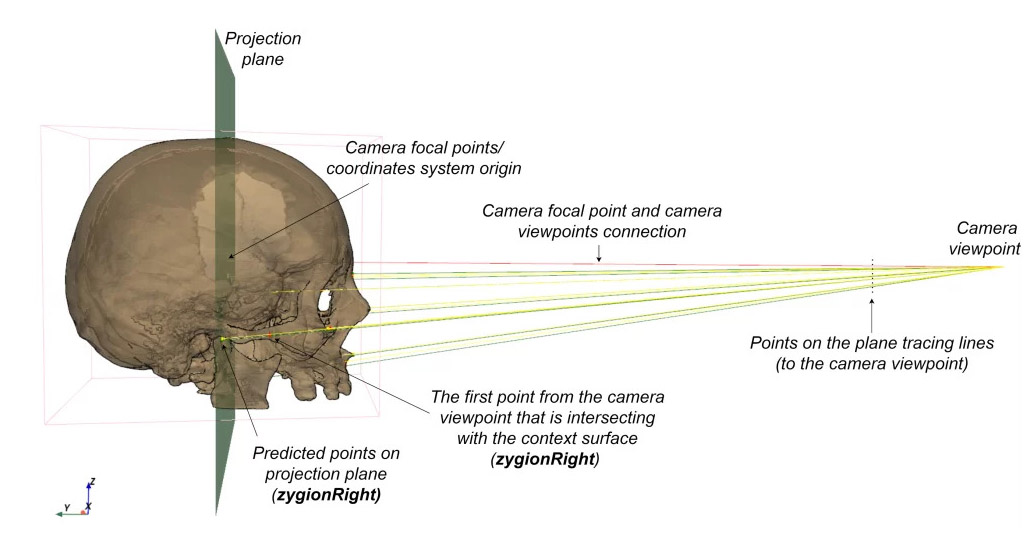
The AI-powered pre-surgical planning system processes CT scans, removes metal artifacts, identifies anatomical landmarks, and generates precision 3D models ready for implant customization - all without manual intervention.
What once took 3 hours now completes in under a minute. This freed specialists to focus on higher-value work rather than repetitive data processing.
The AI model matched and in many cases exceeded human accuracy, reducing the risk of errors that could affect patient outcomes.
Automated processing removed a critical bottleneck, enabling Ortho Baltic to handle significantly higher case volumes without proportional staffing increases.
This AI-powered pre-surgical planning implementation positions Ortho Baltic to advance toward Industry 4.0 capabilities - potentially enabling mass production of individually tailored medical devices.
The move from manual CT processing to AI-powered automation fundamentally changed how anatomical models are developed. Processing that was once time-consuming became structured, efficient operations with consistent outputs.
Every 3D model generation follows the same precise workflow. This eliminates variability from human fatigue and creates consistent results across all cases, regardless of complexity.
With automated processing, teams can visualize progress and results immediately. This accelerated iteration cycles and improved collaboration between engineering and medical teams.
By reducing processing time and improving accuracy, the solution enables faster delivery of patient-specific implants while maintaining the highest quality standards.
Personalized medical devices represent a growing frontier in healthcare. AI-powered pre-surgical planning automates precision tasks that previously required hours of specialist attention - opening new possibilities not just for efficiency, but for expanding access to patient-specific solutions.
This project dealt with real medical data that frequently included pathologies, requiring extensive preprocessing and deep domain expertise.
By automating precision tasks, the solution enables broader access to patient-specific orthopedic solutions.
Dedication to understanding the medical domain helped jump-start this innovative project and contribute toward better patient outcomes.
AI-powered pre-surgical planning represents a step toward a future where individually tailored medical devices can be produced at scale - combining precision with efficiency.
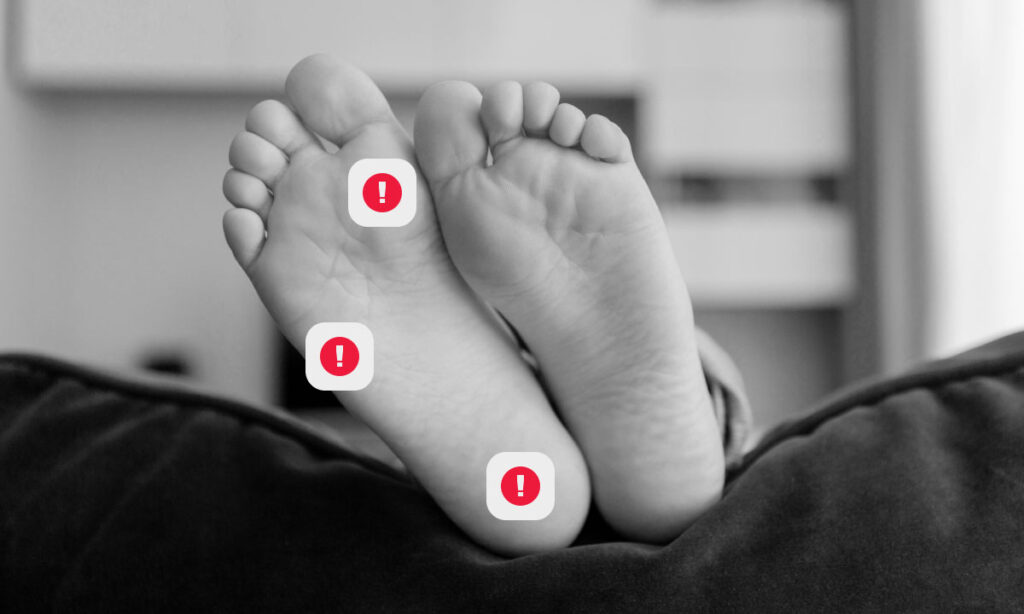 Early Detection Platform
Built a comprehensive mobile health platform enabling patients to monitor foot health daily, using computer vision for early detection of diabetic complications.
Read case study → Enhanced Patient Experience
Developed a tablet-based bedside solution giving patients access to treatment info, nurse calls, and entertainment from their hospital bed.
Read case study →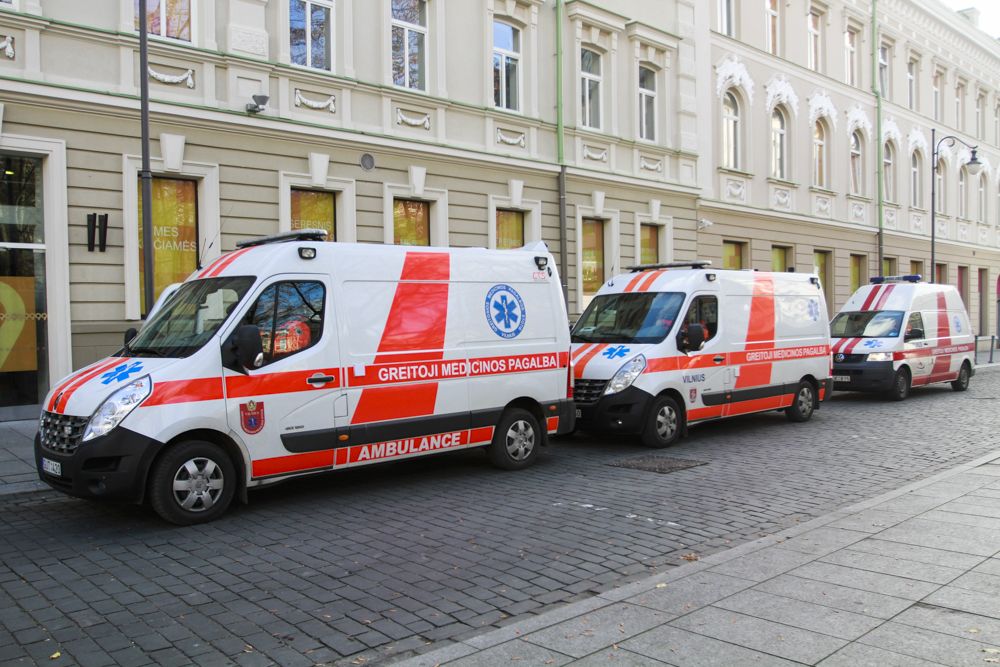 Faster Documentation
Developed a digital forms app for ambulance paramedics, replacing paper with structured digital data entry that works even offline.
Read case study →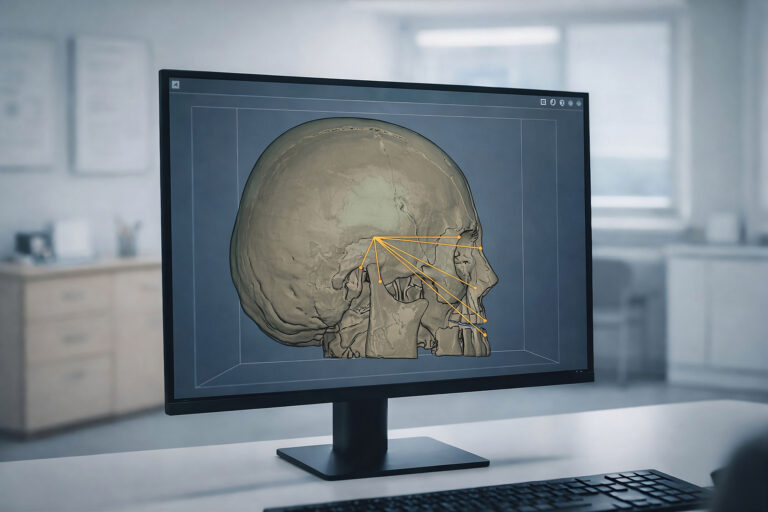
Personalized medical implants require precision at every step – but manual processing has limited how many patients can…
Read article →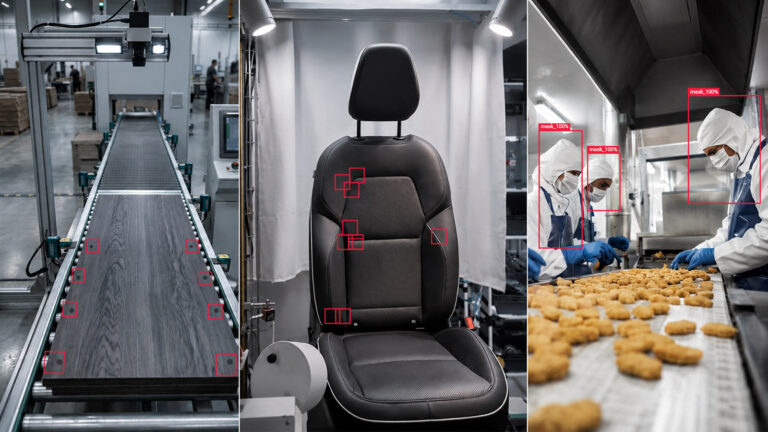
Computer vision is no longer confined to research papers or tech demos. Across agriculture, defense, manufacturing, and healthcare,…
Read article →
In the midst of the COVID pandemic, retail changed in a fortnight. Extra safety precautions, panic buying, fights…
Read article →