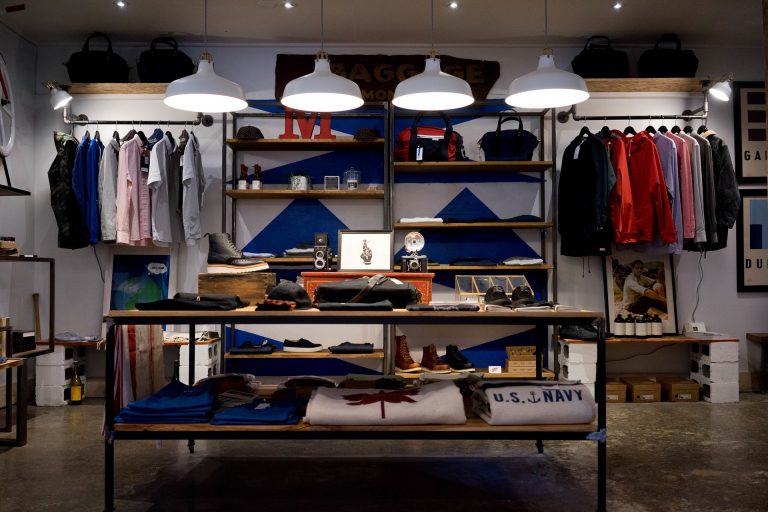
The age of perfect customer experience is upon us. While online shopping keeps growing, physical stores remain the most powerful way to convey a brand’s message and showcase products. Top brands invest heavily in crafting memorable retail experiences. Think about it – why does walking into an Apple Store or a Nike flagship feel different from anywhere else?
The answer lies partly in data. And retail footfall analytics is how modern retailers get that data from their physical spaces.
For a long time, this kind of insight was reserved for big-budget retailers with deep pockets. Computer vision-powered footfall analysis has changed that – making it accessible to smaller retailers too.
What Is Computer Vision-Based Footfall Analytics?
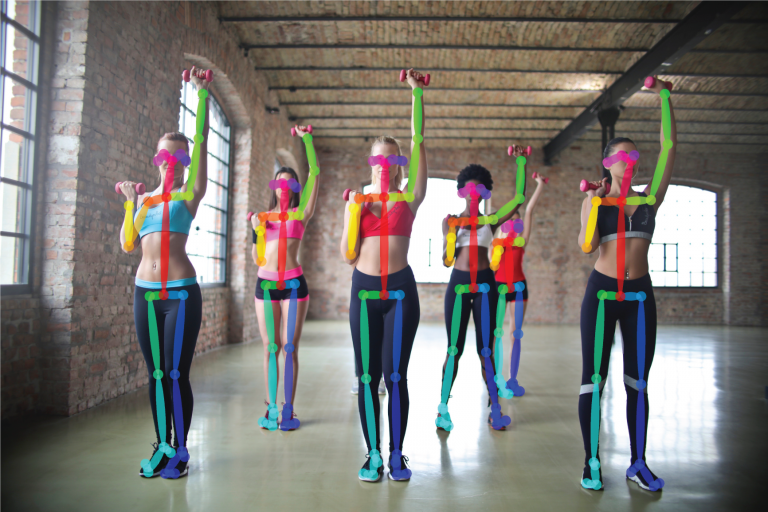
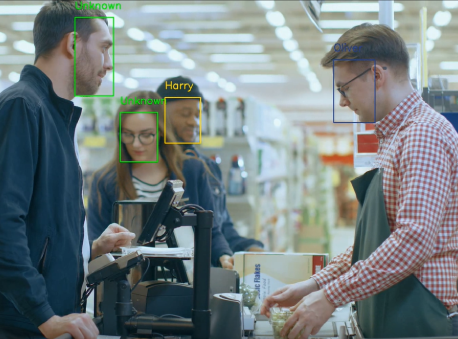
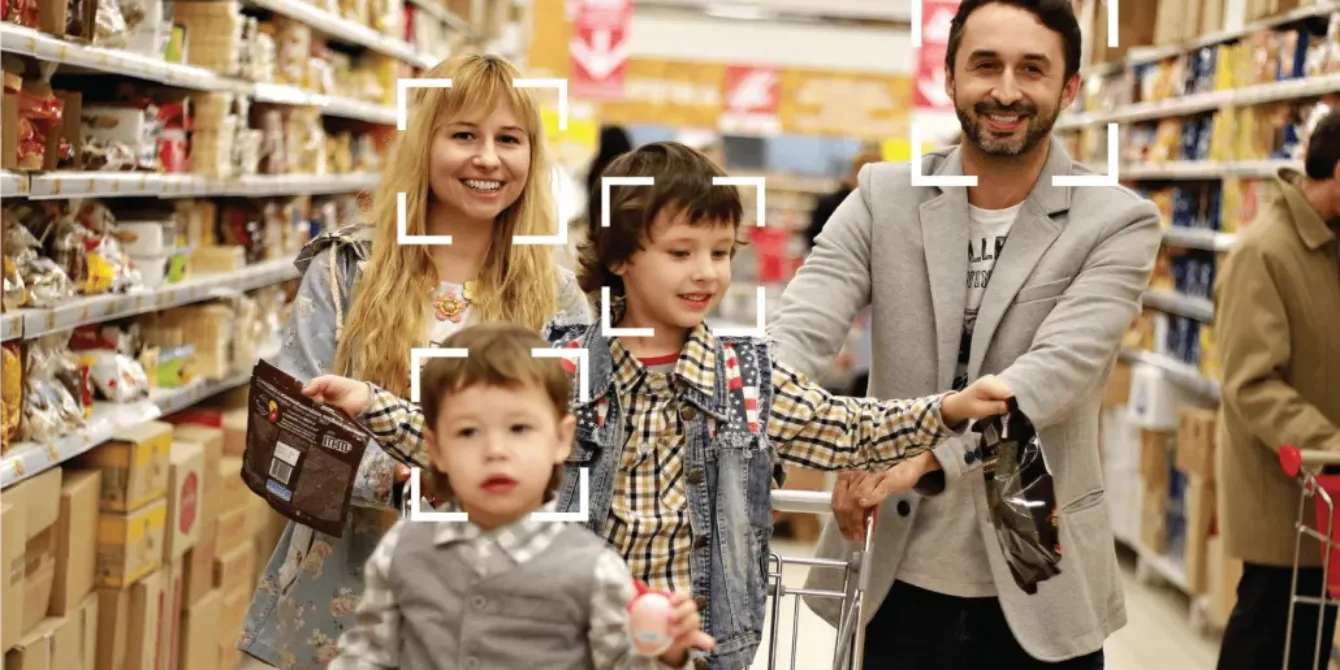
Computer vision analyzes live or recorded video from standard in-store security cameras. It tracks customer movement across the store, measures how long shoppers spend in specific aisles, how much attention a promotional display actually gets, and how many people pass through the door without buying anything.
What makes it particularly practical: no additional hardware is needed. No footfall sensors, no smart tags, no dedicated retail traffic counters. The technology works with what’s already installed – which also means you can run experiments without major infrastructure changes.
3 Ways Retailers Can Use It
1. Optimize Your Store Layout
E-commerce teams obsess over conversion data. Does the homepage hero image drive clicks? Should there be six products per row or eight? What gets people to checkout?
Physical retailers can now ask the same questions – and actually answer them.
Start with a spaghetti diagram: a visual map of customer movement through your store. It immediately reveals “hot” zones people gravitate toward and “cold” zones they bypass. From there, you can experiment. Does a particular window display attract attention? Does a product display near the entrance slow down foot traffic deeper into the store? Does this layout nudge customers toward higher-margin items?
With in-store behavioral data comparable to Google Analytics, retailers can test, learn, and iterate – the same way their online counterparts have been doing for years.
2. Less Is Sometimes More
H&M ran an interesting experiment: they reduced the number of items carried in select stores – what they called “decluttering.” Fewer choices, focused on best-sellers. The result was higher sales per store.
Retail footfall analytics can help you understand whether your store has the same problem. By measuring average time spent in-store and time spent browsing specific areas, then connecting that to checkout data, you can answer a question most retailers guess at: does longer browsing actually convert into sales? Or do customers value speed and clarity above all?
The data will tell you which one applies to your shoppers.
3. Eliminate Checkout Bottlenecks
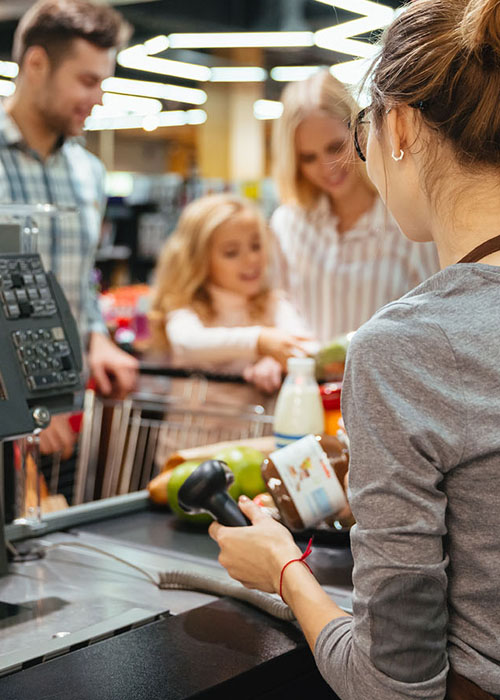
Every store has the same bottleneck: the checkout counter. Yet most retailers have no real visibility into how long customers wait, how queue sizes fluctuate by hour or day of the week, or how many shoppers abandon their cart entirely because the line is too long.
Retail footfall analytics solves this directly. You get queue wait times broken down by time of day and day of week, queue size data, and – crucially – the number of customers who walked away before purchasing. Connect this with your sales data and you can put a euro figure on what poor queue management actually costs.
It’s also the most effective tool for planning staff shifts.
Bottlenecks aren’t always at the register, either. Too few fitting rooms. Understaffed sections during peak hours. A single narrow aisle that creates congestion. Footfall analytics surfaces these friction points with enough precision to act on them.
See how Agmis deployed computer vision queue management at one of Central and Eastern Europe's largest retailers, using existing security cameras to predict and prevent queue formation.
Who Is This For?
Computer vision-based retail footfall analytics works for boutique stores and multi-storey shopping malls alike. Modern SaaS pricing models and pay-as-you-go plans mean there’s no longer a minimum scale required to justify the investment.
If you’re serious about crafting a shopping experience that keeps customers coming back, the starting point is understanding how they actually behave in your store – not how you assume they do.
Get a clear path forward.
Share your challenge and walk away with concrete next steps - whether you're exploring AI, automating a process, or scoping a custom software project.
- Honest assessment of your situation - no sales pitch
- Actionable next steps you can use right away
- AI, automation, and custom software expertise