Agriculture has always been the backbone of human civilization. From the earliest days of sowing seeds by hand to the mechanization of the Industrial Revolution, farming has constantly evolved. Today, however, the world faces a unique set of challenges: feeding a rapidly growing global population, mitigating the effects of climate change, reducing waste, and ensuring sustainable use of limited resources.
Enter artificial intelligence in agriculture—the next big leap that promises to transform traditional farming into a smart, data-driven industry. By combining computer vision, machine learning, robotics, and predictive analytics, AI in farming is redefining how we grow, monitor, and distribute food across the world.
From Traditional Farming to Smart Agriculture
For centuries, farming relied heavily on human observation and manual labor. Mechanization introduced efficiency, while chemical fertilizers and pesticides boosted yields during the 20th century. Precision agriculture followed, with GPS-guided machinery and satellite imagery offering new insights.
But AI represents something far more powerful: decision intelligence at scale. Instead of simply automating existing tasks, AI allows farmers to see patterns invisible to the human eye, predict outcomes before they happen, and optimize operations in real time.
This transition is not just about efficiency—it’s about building a resilient, transparent, and sustainable global food system.
Key Applications of Artificial Intelligence in Agriculture
-
Crop Monitoring and Yield Prediction
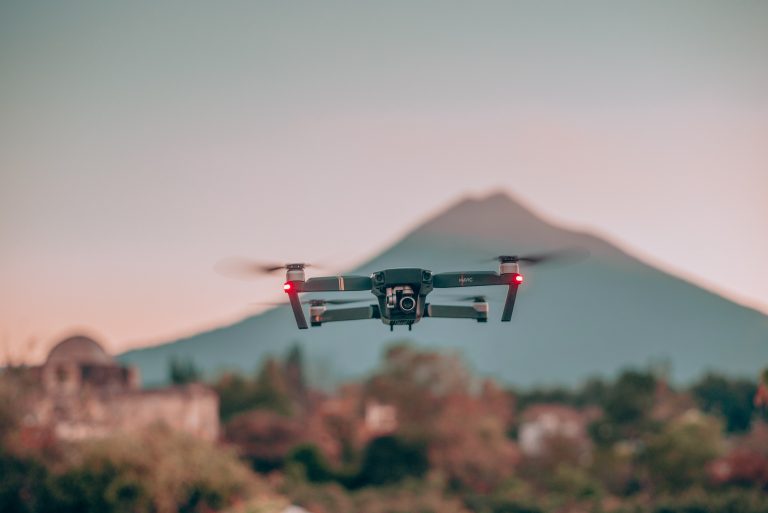
AI models analyze satellite and drone imagery, weather patterns, and sensor data to assess crop health. By detecting stress indicators—such as water shortages or nutrient deficiencies—long before they become visible, AI enables farmers to take corrective action early. Yield prediction models also allow for better planning of harvests and market distribution. -
Soil Health and Irrigation Optimization
Sensors in the field feed data into AI systems that measure soil moisture, pH levels, and nutrient content. This allows farmers to deliver precision irrigation—providing the right amount of water at the right time—reducing waste while maximizing yields. -
Pest and Disease Detection
AI-powered computer vision can identify early signs of pest infestations and plant diseases. Instead of blanket spraying pesticides, farmers can apply targeted treatments, lowering chemical use and protecting the environment. -
Robotics and Automated Harvesting
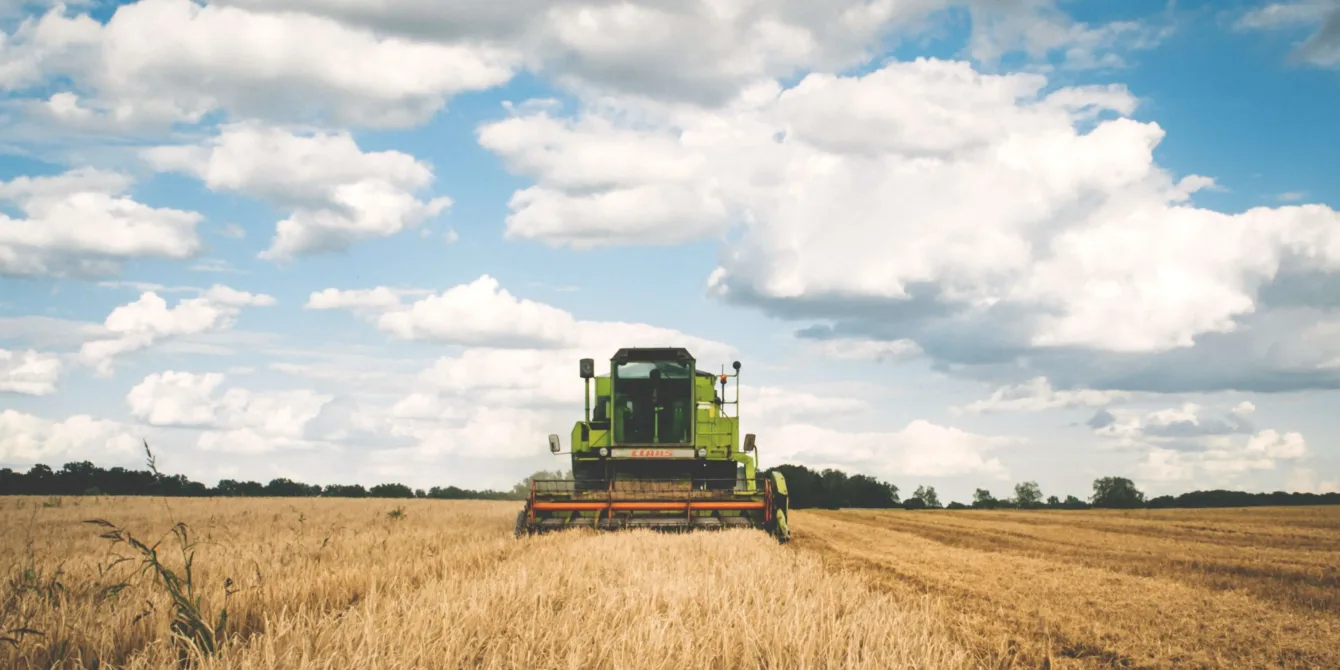
Autonomous tractors, drones, and harvesting robots are guided by AI to work with minimal human supervision. This addresses the labor shortage in agriculture while ensuring greater consistency and speed. -
Supply Chain and Market Forecasting
Beyond the field, AI in agriculture helps forecast market demand, storage needs, and pricing fluctuations. This allows farmers and distributors to make smarter business decisions, reduce waste, and stabilize income.
The Hidden Bottleneck: Agricultural Quality Control
While much attention is given to crops in the field, quality inspection after harvest is equally critical. The value of grain, seeds, fruits, and vegetables is determined by their quality. Yet, traditional inspection methods are slow, inconsistent, and dependent on human judgment.
-
Manual grain inspection can take up to 30 minutes per sample.
-
Results vary depending on inspector experience, fatigue, and subjectivity.
-
Delays in quality control slow down logistics and reduce trust in markets.
This is where AI in quality control is becoming a game-changer, providing instant, standardized, and highly accurate results.
Real-World Example: GrainODM
A standout example of how AI is transforming agricultural quality inspection is GrainODM .
GrainODM is an AI-powered grain quality analysis system designed to replace slow and error-prone manual checks.
-
Speed: GrainODM analyzes a sample in just 3 seconds, compared to up to 30 minutes manually.
-
Accuracy: Achieves 95–99% accuracy, ensuring consistency in every test.
-
Scalability: Can handle thousands of samples per season without bottlenecks.
-
Reliability: Provides standardized results, eliminating human bias and variability.
Already in production across European labs, GrainODM demonstrates how AI in grain inspection builds transparency and trust in international grain trade. For cooperatives, farmers, and buyers, this means faster transactions, fewer disputes, and higher efficiency across the supply chain.
Benefits of Artificial Intelligence in Agriculture
The adoption of AI farming technology delivers clear benefits across the entire agricultural ecosystem:
-
Efficiency Gains – Faster inspections, optimized irrigation, and reduced labor dependency.
-
Cost Reduction – Smarter use of inputs like fertilizers and pesticides.
-
Improved Accuracy – Reliable results free from human error.
-
Transparency and Trust – Standardized AI inspections increase confidence between buyers and sellers.
-
Sustainability – Lower resource consumption and reduced environmental impact.
-
Resilience – Predictive analytics help farmers prepare for extreme weather and market fluctuations.
Challenges to AI Adoption in Farming
Despite its promise, AI in agriculture also faces hurdles that must be addressed:
-
High Initial Investment: Many solutions require upfront capital that may be difficult for smallholder farmers to afford.
-
Data Ownership Concerns: Farmers must be assured that their data remains private and under their control.
-
Digital Skills Gap: Adoption requires training and digital literacy, especially in rural communities.
-
Infrastructure Limitations: Reliable internet connectivity and hardware remain a barrier in some regions.
Overcoming these challenges will be key to making AI accessible for farms of all sizes.
The Future of AI in Agriculture
The next decade will see AI fully integrated into farming practices. Here’s what lies ahead:
-
Integration with IoT: Networks of connected sensors feeding data directly into AI models.
-
Blockchain Synergy: Transparent and tamper-proof records of crop origin, quality, and trade.
-
Autonomous Farms: Fully automated farms where planting, monitoring, harvesting, and quality control are managed by intelligent systems.
-
Democratization of AI: Cloud-based AI platforms will make these tools accessible to even the smallest farms worldwide.